Business area
To provide the best products and systems without settling for our current achievements,
we strive relentlessly.
Lithium-ion battery equipment
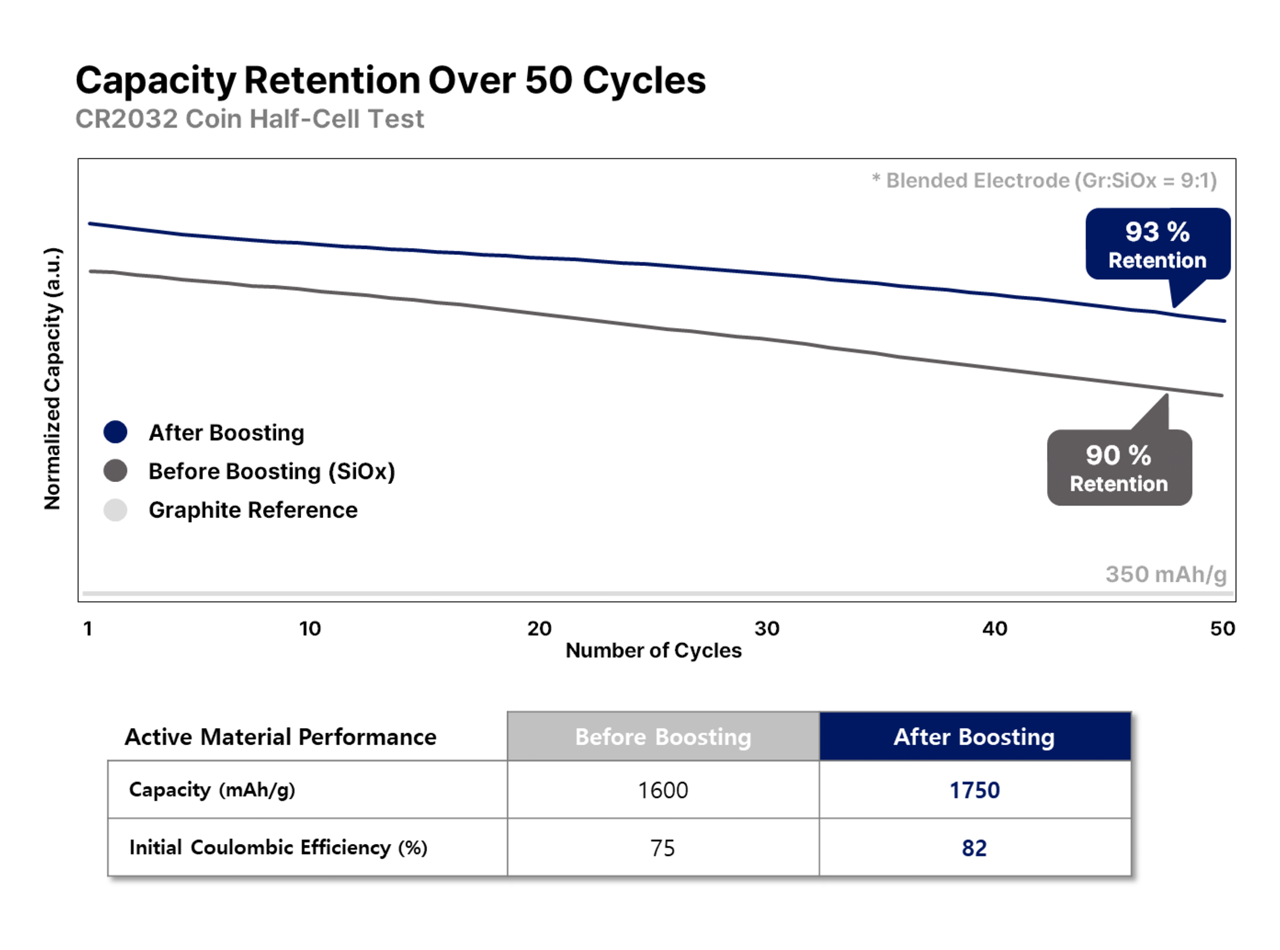
Introducing a new process that dramatically improves the performance of anode materials.
Performance Boosting Method
DRY Etching + Filling Coating
- Overview
-
Precision Etching and Coating Solutions for Powder-Based
Porous Structures in Next-Generation Silicon Anodes① Powder-Dry Etching
Precise control of the porous pore structure of silicon-based particles② Pore-Filling Coating
Simultaneously enhances structural stability and electrical conductivity through internal pore coating
- Technical Advantages
-
-
Damage-Free Process
By applying a Dry Etching-based process, precise pore control is possible without physical friction or damage to the material structure -
Eco-Friendly Process Design
Generates fewer reaction byproducts compared to wet processes and minimizes wastewater generation by eliminating the need for cleaning steps -
Wide Material Applicability
A universal process platform immediately applicable to various next-generation anode materials, including Si, SiOx, and Si-alloys -
Competitive Manufacturing Costs
Reduces overall manufacturing costs by decreasing chemical consumption, lowering waste-disposal costs, and simplifying process steps
-
Damage-Free Process
-
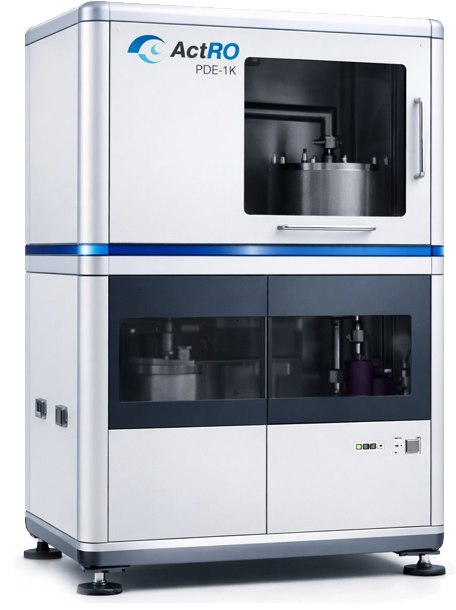
Powder Dry Etching
- Applicable to silicon-based materials such as pure Si and SiOx
- Pore control (precise control of pore structure)
PDE-1K (Patent No. 10-2893884)
-
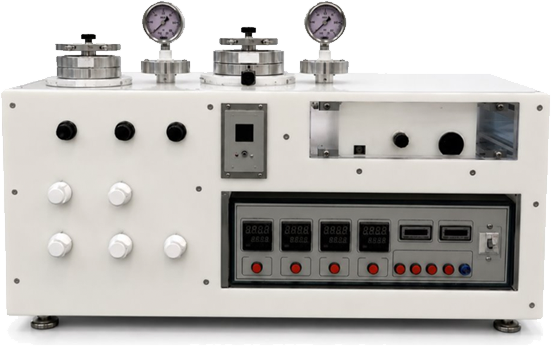
PDE Experimental System
- R&D Prototype / Process Development and Performance Verification
PDE-1K (Patent No. 10-2893884)
-
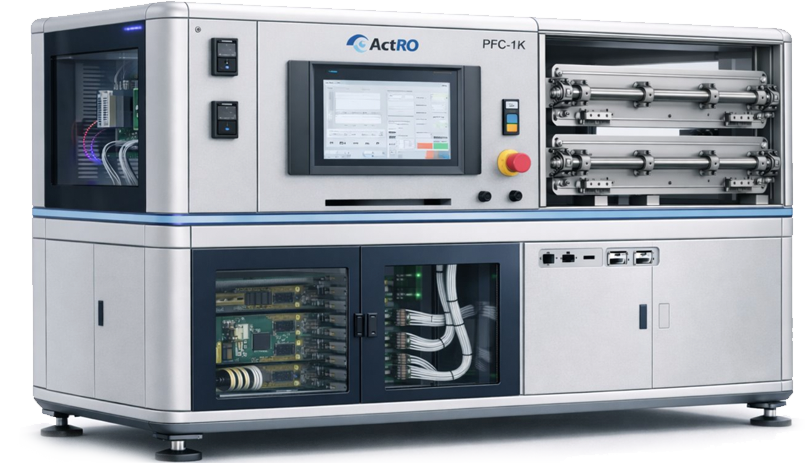
Pore Filling Coating
- Equipment for High-Capacity Microstructure Filling
- Capable of depositing metal compounds and metal thin films
- Precise control of deposition rate
PFC-1K (Patent No. 10-2008056)
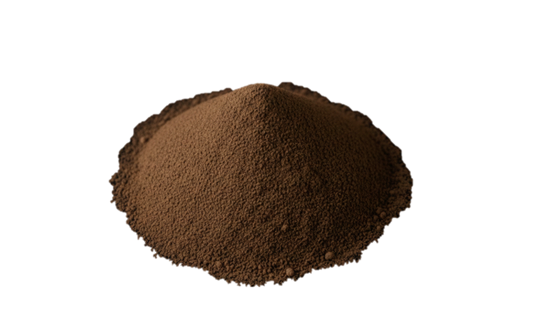
- Raw Powder (Before Process)
-
- Powder After Dry Etching
-
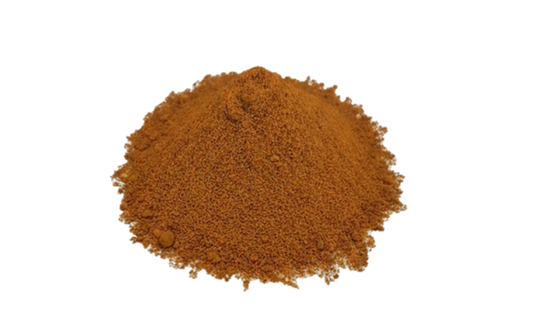
Remains in a dry state without a separate drying process
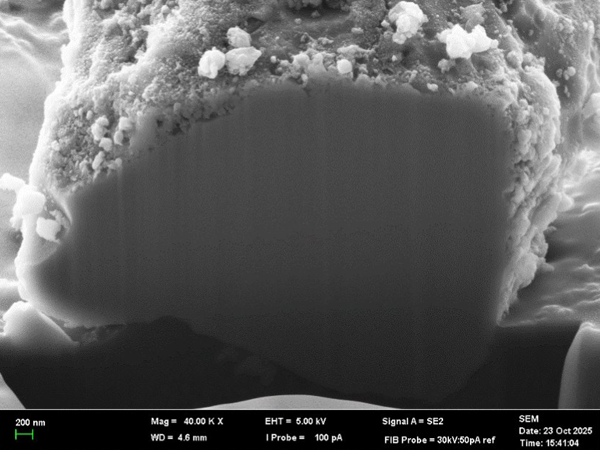
Cross-section of SiOx sample after Dry Etching (SEM-FIB)
No internal or external structural damage